Questions? We're here to help.Call/Text: 904-414-5363 (LEND)carsonteam@firstcoastmtg.com
Carson Home Team
Schedule a CallGet Pre-Approved
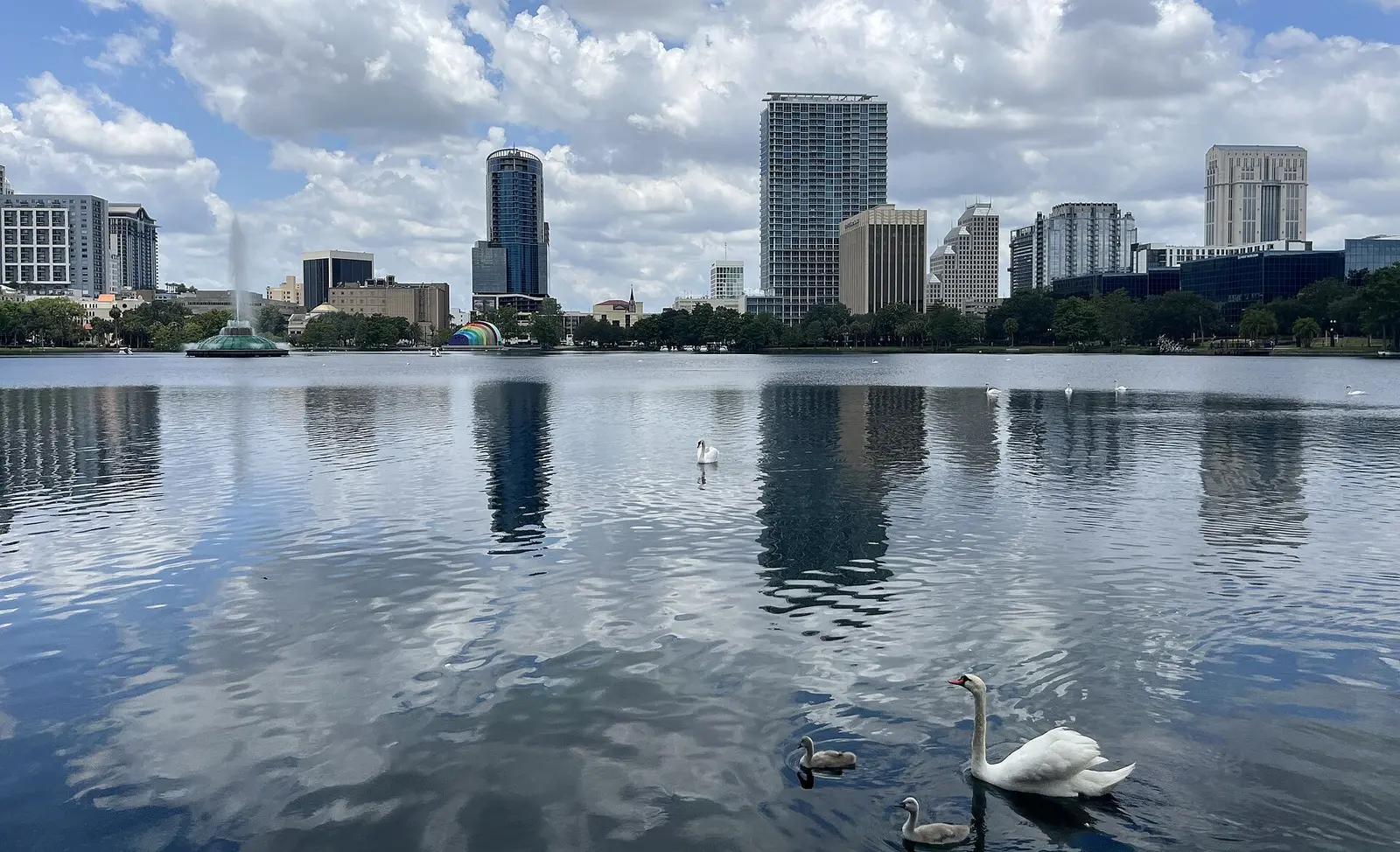
Downtown Orlando skyline viewed across Lake Eola

Local area guide

Living in Central Florida

Orlando, Ocala & Central Florida Beaches

Photo: Wikimedia Commons

Know the place

Place and population

Central Florida connects Orlando's major employment and tourism economy with Ocala's horse country and the Atlantic communities of Volusia and Brevard counties. The region includes dense urban districts, established suburbs, master-planned communities, acreage and beach markets.

Orange County recorded 1,429,908 residents in the 2020 Census, while Marion County recorded 375,908. The wider service area crosses several counties, so the exact city, county and taxing authority should always be confirmed by property address.

How the area developed

Orlando developed into a major aviation, simulation, healthcare, education, convention and tourism center. Ocala and Marion County remain closely connected to agriculture and the equine industry, while Daytona Beach, New Smyrna Beach and the Space Coast have distinct coastal and aerospace economies.

What daily life looks like

Buyers can choose among downtown living, suburban communities, resort corridors, horse properties, retirement communities and Atlantic beach towns. Commuting patterns, toll roads, insurance, association costs and short-term-rental rules vary substantially across the region.

This week in Central Florida

One region, several very different commute and ownership-cost profiles

Central Florida buyers comparing Orlando, Ocala and the Atlantic coast should evaluate tolls, insurance, HOA fees, school boundaries and employment commute together—not just the home price shown in the listing.

Communities

Places included in this guide

Orlando & Orange CountySeminole & Osceola countiesOcala & Marion CountyDaytona BeachNew Smyrna BeachCocoa Beach, Melbourne & the Space Coast

Research a specific address

Property records, tax estimates and flood maps

Start with the official property record, but do not assume the seller's tax bill will remain unchanged. A sale can trigger reassessment, exemptions may change, and the final tax rate depends on local taxing authorities. FEMA's map identifies mapped flood hazards that can affect insurance requirements and the complete monthly payment.

These tools support early research; they are not a tax, insurance or lending determination. Confirm estimates with the county tax office, insurance professional and your mortgage team for the exact property.

Education

Public schools, private schools and higher education

School assignments and admissions can change. Verify the exact address directly with the public district or private institution before making a housing decision.

Property-level planning

What homebuyers should review early

A location does not determine loan approval. These are common property and transaction questions worth checking for the exact address.

  • Relocation and airline-pilot income
  • Condominiums and resort properties
  • Short-term-rental and DSCR financing
  • Horse properties, farms and acreage
  • HOA and community assessments
  • Coastal insurance and flood exposure

Population figures use the 2020 U.S. Census unless otherwise stated. School links are provided for research only; attendance zones, enrollment eligibility, admissions and programs must be verified directly. Linked government, chamber, economic-development and tourism sources provide current local information. Confirm taxes, zoning, rental rules, insurance and property eligibility for the exact address.
Your property. Your numbers.

Build a mortgage plan around the address, occupancy, insurance, taxes and your complete financial picture.

Schedule a CallGet Pre-Approved