Questions? We're here to help.Call/Text: 904-414-5363 (LEND)carsonteam@firstcoastmtg.com
Carson Home Team
Schedule a CallGet Pre-Approved
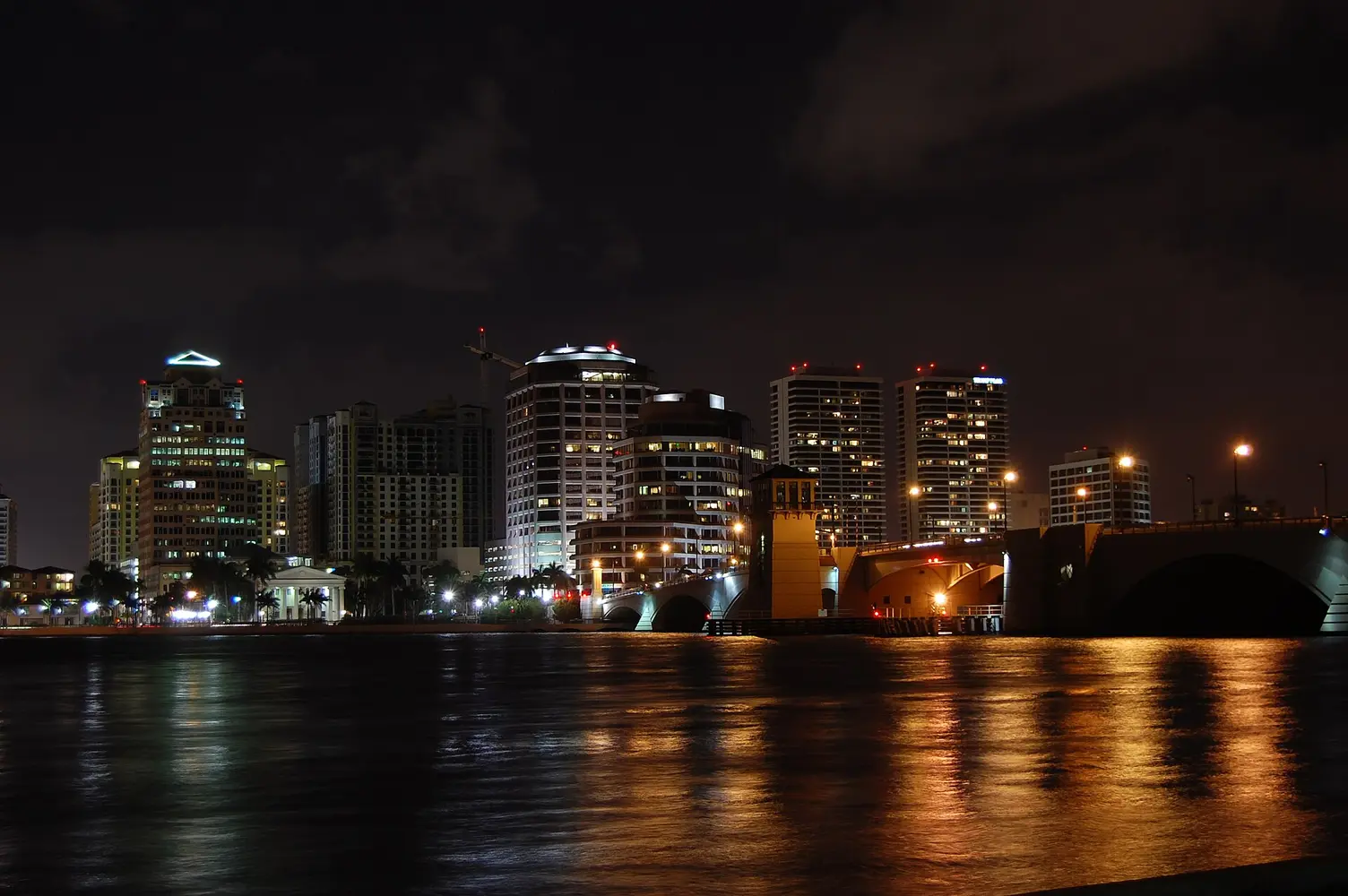
West Palm Beach skyline illuminated across the Intracoastal Waterway

Local area guide

Living in South Florida

Miami-Dade, Broward & Palm Beach

Photo: Andyxox / Wikimedia Commons

Know the place

Place and population

South Florida is one connected coastal economy with three distinct county markets. Miami-Dade, Broward and Palm Beach include major employment centers, international communities, luxury coastal property, established suburbs, condominiums and active investment markets.

The Miami–Fort Lauderdale–West Palm Beach metropolitan area recorded 6,138,333 residents in the 2020 Census. County and municipal boundaries remain important because taxes, permitting, condominium requirements and local rental regulations differ by exact address.

How the area developed

Rail, ports, aviation, tourism, international trade and finance shaped the coastal corridor. Growth now extends from Miami and Miami Beach through Fort Lauderdale and Boca Raton to West Palm Beach and Palm Beach Gardens.

What daily life looks like

South Florida combines dense urban neighborhoods, waterfront communities, golf and country-club developments, beach towns and inland suburbs. Buyers frequently compare commute corridors, condominium finances, wind and flood coverage, association costs and property-use restrictions.

This week in South Florida

Condo finances and insurance remain essential parts of the payment

South Florida buyers should request association documents early and evaluate reserves, assessments, insurance, parking and rental rules alongside the mortgage. The building can affect financing even when the borrower is well qualified.

Communities

Places included in this guide

Miami & Miami BeachAventura & Coral GablesFort Lauderdale & HollywoodPompano BeachBoca Raton & Delray BeachWest Palm Beach & Palm Beach Gardens

Research a specific address

Property records, tax estimates and flood maps

Start with the official property record, but do not assume the seller's tax bill will remain unchanged. A sale can trigger reassessment, exemptions may change, and the final tax rate depends on local taxing authorities. FEMA's map identifies mapped flood hazards that can affect insurance requirements and the complete monthly payment.

These tools support early research; they are not a tax, insurance or lending determination. Confirm estimates with the county tax office, insurance professional and your mortgage team for the exact property.

Education

Public schools, private schools and higher education

School assignments and admissions can change. Verify the exact address directly with the public district or private institution before making a housing decision.

Property-level planning

What homebuyers should review early

A location does not determine loan approval. These are common property and transaction questions worth checking for the exact address.

  • Jumbo and luxury-property financing
  • Condominium project review
  • Wind, flood and homeowners insurance
  • Second homes and investment properties
  • Self-employed and international income
  • Buying before selling an existing home

Population figures use the 2020 U.S. Census unless otherwise stated. School links are provided for research only; attendance zones, enrollment eligibility, admissions and programs must be verified directly. Linked government, chamber, economic-development and tourism sources provide current local information. Confirm taxes, zoning, rental rules, insurance and property eligibility for the exact address.
Your property. Your numbers.

Build a mortgage plan around the address, occupancy, insurance, taxes and your complete financial picture.

Schedule a CallGet Pre-Approved